I’ve
done a few of these before, going through some of my favourite cookbooks and
talking about what recipes I particularly like or am looking forward to making.
Despite my blogging silence over the past year, my love of cookbooks is just as
strong. I have continued buying books, covering them in post-it notes, reading
them religiously, and not really cooking enough from them at all. I’m working
on it. So here is a run down of some of the more recent additions to my
cookbook collection, and the recipes that have caught my eye.
Honey and
Co - Food from the Middle East
Honey and
Co - The
Baking Book
Itamar
Srulovich and Sarit Packer
A
few months ago at the staff cookery competition at my workplace (endlessly smug,
see here), I had to do this whole interview thing while the judges were
eating my food. I wasn’t really prepared for it, and microphones are scary
enough at the best of times. The interviewer was throwing all of these
questions at me which in hindsight weren’t the most challenging, but after
nights of not sleeping due to the fear of cooking competitively, and then
cooking competitively, I was a bit frazzled. But then the interviewer asked me
what I thought the best Middle Eastern restaurant in London was, and everything
became clearer. I could answer that no question. Honey and Co. And then Oliver
Peyton looked up from the food (my food!) and there was a moment of
recognition/approval. And then he said that they made the best shakshuka in
London. High praise indeed.
I
love Ottolenghi too, their food and their cookbooks are just incredible. But
what Honey and Co has in spades is love. I know it is such a cliché (and I
can’t really believe that I wrote that), but read their books, go to their
restaurant (follow them on instagram) and you will know what I mean. They
aren’t posting from test-kitchens or various site around London, its just them,
their delicious food, and photos of their staff, joking around or holding
flowers. The books are beautifully and thoughtfully written, with stunning
photos. Their books have won loads of book of the year awards too so it isn’t
just me.

One
of my favourite things about Food from
the Middle East is how the chapters are organised, with sections devoted to
dips, pickles, bulgur wheat – to name a few. I haven’t made a huge amount from
either of the Honey and Co books yet, mainly due to the fact that I haven’t
been cooking as much as I would have liked, but everything just looks divine
and I have tasted a few things that other people have made.
Delicious
things I have tasted from Food from the
Middle East include:
Butternut
and tahini dip with hazelnuts - three of my favourite things, combined in an
excellent way,
Carrot
and butternut fritters or latkes,
Feta
and spring onion bouikos (like super cheesey scones),
Mint
and lemon chicken with apricots and potatoes,
Courgette
stuffed with lemon rice and currants. I made this for a dinner party once, when
I had a lot of people to feed. Deliciously flavoured risotto rice is spooned
inside de-seeded courgettes, and then baked in the oven – was well as tasting
delicious it was pretty hands off, which is always a good thing.
Feta
and honey cheesecake on kadaif pastry base – I’ve eaten this in their
restaurant, it was incredible. Feta in a cheesecake may seem strange, but it is
good in the way that salt caramel is good. This recipe is like a restauranty
version of the classic Palestinian dessert knafe – a recipe for which is in The Baking Book, and also looks
wonderful. Kadaif pastry can be purchased at a lot of Arabic stores.
Things
that look delicious in The Baking Book
(given to me for my birthday by the wonderful Brianne) that I want to make
include:
Sweet
cheese buns,
Shakshuka
– I make my own, but if this one is the best in London, it is definitely worth
trying (15 cloves of garlic!)
Burnt
aubergine burekas,
Spiced
cauliflower muffins,
All
the babkas – because, well obviously.
Peach,
vanilla and fennel seed cakes,
Tahini
sandwhich cookies filled with white chocolate and rose (I’ve promised my mum
that I would make these for her birthday),
Chriskitch –
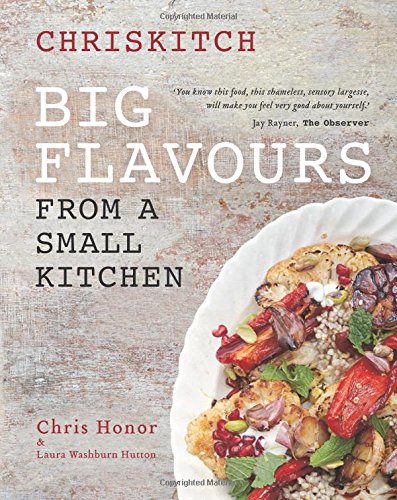
Big Flavours from a Small Kitchen
Chris
Honour and Laura Washburn Hutton
I
got this book for my birthday from the brilliant and super foodie Michael and
Rachel, and I absolutely love it. Chriskitch is a little café in Muswell Hill,
a place where Jay Rayner discovered the joys of salad.
One
of the things I love about this book is that even though it is not a vegetarian
or kosher book, I can eat practically everything in it. Which is so unusual and
very special. The book is about epic salads, big flavours, generous feasts and
vivid colours. And it’s a bit different – the flavour combinations and
ingredients are clever and unusual, it is things I wouldn’t have thought of
myself or seen elsewhere. And it all sounds so good. I haven’t made anything
from this book yet, but I haven’t had it for very long. Recipes that have
especially caught my eye include:
Watermelon,
feta and pumpkin seed salad – flavoured with basil sugar and herbal tea. I love
the idea of ripping up a herbal tea bag and using it in a salad – I’m sure it
tastes delicious and would really confuse people about what they were eating.
Salmon
ceviche with caramelised pineapple and raw fennel. I love raw fishy things, and
the idea of pairing it with crunchy fennel and super sweet cooked pineapple
sounds genius.
Salmon
with herbs, walnuts and tahini. What I love about this recipe, and what
actually made me fall in complete love with this book, is that the first recipe
in the ‘mains’ section is for a whole side of salmon. This just makes me so
happy – sometimes I will cook a whole side of salmon if I am hosting a lot of
people for a meal, and it isn’t that easy to find recipes specifically for
that. I love that vibe – it is lush and generous, simple to make with bright
and complimentary flavours.
Whole
chicken roasted with balsamic vinegar and rosemary. There are a few meat
recipes in the book like this, that same vibe of generous and super flavourful.
It’s a whole chicken, or a shoulder of lamb, of a big roast beef. No stingy
small portions or dinners for two here. It is for people who love to cook, and
share delicious things with others around their table.
Blue
cheese, Guinness and sunflower seed bread. All of the breads in this book look
absolutely incredible, but I will probably make this one first. It is a
self-raising flour bread and so doesn’t need anything scary of time-consuming
like kneading or proving.
Salt sugar
smoke: how to preserve vegetables, meat and fish
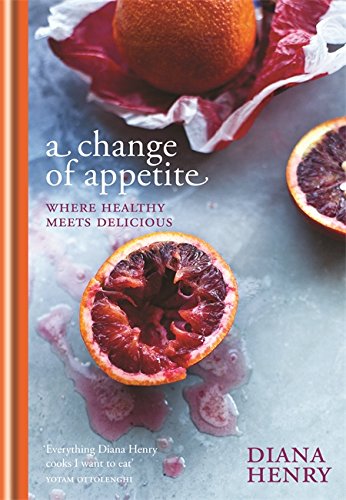
A change of
appetite – where healthy meets delicious
Diana
Henry
Diana
Henry is an absolutely wonderful food writer that I have fallen in love with
over the past year. I have been following her on twitter and instagram, and
listening to her whenever she is interviewed on BBC Radio 4’s Food Programme.
She knows so much about food, and writes absolutely beautifully. As well as recipes and thorough
explanations about method, the books are full of wonderful memories and
stories, just like all the best cookbooks. They are also styled beautifully, in
fact I think the photography in her foods is my favourite of all of my
cookbooks. Her book about chicken, A bird
in the hand, is also excellent, but it is my Mum’s and I haven’t had a
chance to really absorb it yet. Like Chriskitch, Diana Henry’s books also have
a much larger proportion of recipes that I can actually eat – not a lot of
shellfish, or meat paired with dairy, and not that many recipes focused on pork
or bacon either.

I
originally bought Salt sugar smoke as
a gift for some friends who like making jam and things, and flicking through
the book for a few days with another friend before I had a chance to pass on
the gift, I fell in love with the book and both me and my friend bought copies
of our own. Although I haven’t made very much from the book yet, but my
brilliant friends have, and it has all been very delicious.
Salt sugar smoke is encyclopaedic, it covers
every aspect of preserving, written in an easy to understand, sensible way. I
definitely want to try the white peach and raspberry jam, and I recently
acquired a jelly bag and stand from Lakeland so that I can make the apple and
thyme jelly. There are a few mustard recipes in the book –it hadn’t even
occurred to me that mustard was something people could make in their own homes,
but I definitely want to try all of them. I love the idea of me becoming someone
who brings friends and family little jars of fancy homemade things. Naomi has made the elderflower
and rhubarb cordials and they have so delicious. I hadn’t realised that
elderflowers grow so abundantly all over the place, and now that I know what
they look like, I definitely want to make my own cordial with foraged
elderflowers this summer. And the gravlax, all three
recipes for it.

A change of appetite is a healthy eating book.
It doesn’t feel like a ‘diet book’, like some kind of trend or fad thing to get
on board with, just really well reasoned, sensible ideas about food. Diana
Henry calls it ‘accidentally healthy’, things that are delicious and healthy in
the way that they are supposed to be. No substituting mascarpone with low fat
yogurt and calling it tiramisu here. What I love about this book is that Diana
Henry understands the complex relationships we have with food, and how ‘diets’ can
be so loaded. Food is so much more than fuel, it is inspirational, emotional
and special, and it isn’t that easy to think of in clinical terms of calories
and daily percentages. She writes:
“My
biggest problem was thinking about food in terms of ‘healthy’ or ‘unhealthy’. I
can’t think of meals a sets of nutrients. A meal is a colourful assembly of
foods – many of which we don’t quite understand in terms of health – that
should be, first and foremost, enjoyable…I’m
much more into living life to the full than I am into thinking of my body as a
temple.”
The
recipes in the book are a mixture of Middle-Eastern and Asian in style, and all
look so good, laid out in chapters designed around the seasons. Some of the
recipes that I will definitely be making include:
Japanese ginger and garlic
chicken with smashed cucumber,
Cucumber
and yogurt soup with walnuts and rose petals,
Goats
cheese and cherry salad with almond and basil gremolata,
Gooseberry,
almond and spelt cake,
Roast
tomatoes and lentils with dukkah-crumbed eggs,
Red
lentil and carrot kofte with pomegranates and tahini.